Teachers, Schools & Education
7 Ways Social and Emotional Learning Can Create Stronger Students
Social Emotional Learning • Emotional Intelligence • Student Well-Being • Classroom Skills • Education
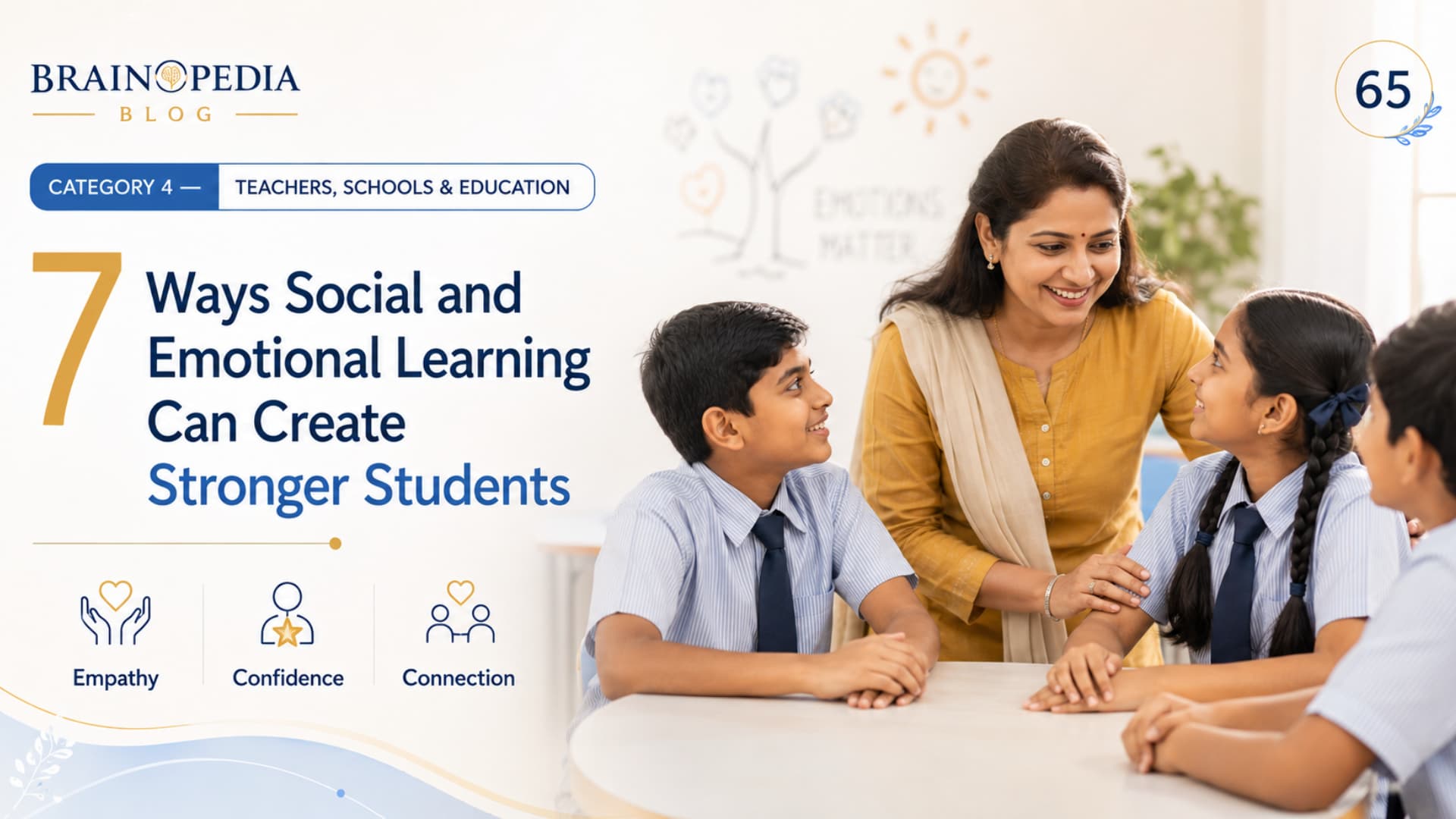
Strong students are not defined only by marks.
They also need the ability to understand emotions, manage reactions, communicate clearly, work with others and make responsible decisions.
This is where Social and Emotional Learning (SEL) becomes valuable.
SEL helps students develop personal and interpersonal skills that support learning, confidence and relationships.
Here are 7 ways Social and Emotional Learning can help create stronger students.
________________________________________
1. It Helps Students Understand Their Emotions
Students often experience frustration, excitement, fear, pressure and disappointment.
SEL helps them recognise what they are feeling and why.
Why It Helps
When students can identify emotions, they are better able to manage them.
Classroom Question
Ask:
“What am I feeling, and what caused it?”
That simple reflection can improve self-awareness.
________________________________________
2. It Builds Better Self-Control
Students sometimes react quickly when they feel angry, anxious or overwhelmed.
SEL teaches them to pause before responding.
They can practise:
• Deep breathing
• Counting slowly
• Taking a short pause
• Thinking before speaking
Why It Matters
Better self-control can improve classroom behaviour, decision-making and focus.
Student Rule
Pause first. Respond wisely.
________________________________________
3. It Strengthens Confidence
Students become more confident when they understand their strengths and learn how to handle challenges.
SEL encourages them to notice:
• What they do well
• Where they need improvement
• What progress they have made
Why It Helps
Confidence grows when students recognise growth rather than comparing themselves constantly with others.
Learning Mindset
Progress builds confidence.
________________________________________
4. It Improves Communication
Students need more than academic knowledge to succeed.
They also need to express ideas, feelings and concerns clearly.
SEL can help students practise:
• Listening
• Speaking respectfully
• Asking for help
• Expressing disagreement calmly
• Understanding another person's point of view
Why It Helps
Better communication supports teamwork, classroom participation and relationships.
________________________________________
5. It Develops Empathy
Empathy is the ability to understand how another person may feel.
Teachers can encourage empathy by asking students:
• How might this person feel?
• Why might they have reacted this way?
• What could you do to help?
Why It Matters
Empathy can reduce conflict and improve cooperation.
Classroom Principle
Understand before you judge.
________________________________________
6. It Supports Better Decision-Making
Students make many choices every day.
For example:
• Whether to complete work
• How to respond to conflict
• How to manage time
• How to behave in a group
SEL encourages students to think about consequences before acting.
Simple Decision Process
Stop → Think → Consider → Choose
Why It Helps
Students become more responsible and independent.
________________________________________
7. It Builds Stronger Relationships
Learning happens in a social environment.
Students interact with:
• Teachers
• Classmates
• Friends
• Families
• Teams
SEL helps them build healthier relationships through respect, cooperation and communication.
Why It Matters
Positive relationships can make students feel safer and more connected to school.
Student Mindset
Respect strengthens relationships. Relationships strengthen learning.
________________________________________
The SOCIAL Formula
S — Self-Awareness
Recognise your emotions and strengths.
O — Own Your Reactions
Manage emotions before responding.
C — Communicate Clearly
Express ideas respectfully.
I — Include Others
Show empathy and understanding.
A — Act Responsibly
Think before making decisions.
L — Learn Through Relationships
Build trust and cooperation.
________________________________________
Key Takeaway
Social and Emotional Learning does not replace academics.
It supports them.
Students who learn to manage emotions, communicate effectively, work with others and make thoughtful decisions are better prepared for both school and life.
Use:
Self-Awareness • Self-Control • Confidence • Communication • Empathy • Decision-Making • Relationships
Stronger emotions skills can help build stronger learners.
Brain Gurukul Perspective
At Brain Gurukul, emotional intelligence is an important part of holistic intellectual development.
Academic ability becomes more powerful when students can also manage emotions, communicate effectively and build positive relationships.
Teachers who support these skills help students become more balanced, confident and responsible learners.
Understand emotions. Build relationships. Strengthen the learner.
Read. Learn. Apply. Grow.
________________________________________
Blog Number: 65
Blog Name: 7 Ways Social and Emotional Learning Can Create Stronger Students
Word Count: ~745 words
Social Emotional Learning • Emotional Intelligence • Student Well-Being • Classroom Skills • Education